Key Takeaways
- Long, closed-up Ottawa winters let dust, moisture and combustion by-products build up indoors.
- Your furnace filter, ductwork and ventilation are the front line for cleaner air.
- Keep humidity balanced: too dry irritates, too damp invites mould and dust mites.
- Working CO alarms on every level are non-negotiable in homes with gas appliances.
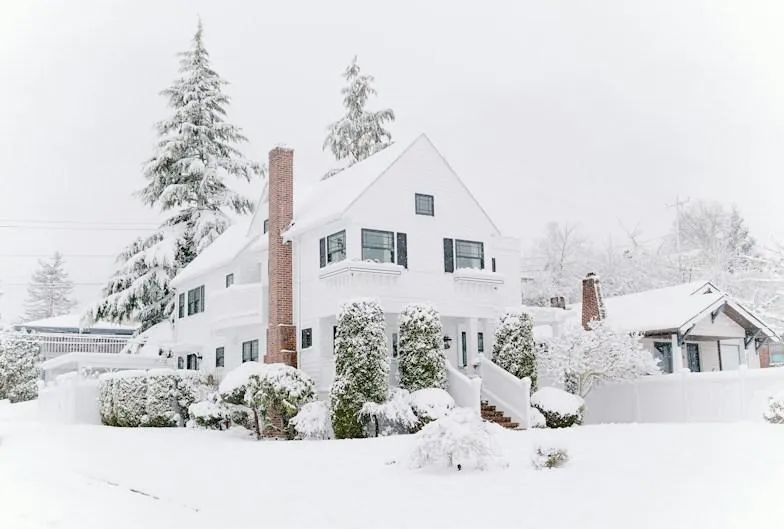
Ottawa homeowners spend a lot of time indoors. From November through March, windows stay shut and the furnace runs most of the day, and even in summer many homes stay closed up on the hottest days. That makes indoor air quality in Ottawa homes something worth paying attention to. Dust, pet dander, cooking fumes, moisture and even by-products from gas appliances can build up when fresh air is limited.
The good news is that your heating system can do a lot of the work. Here is what affects your air and the practical steps that make a real difference.
What Affects Indoor Air Quality in Ottawa Homes
Every house is different, but most indoor air problems come from a handful of sources:
- Dust and allergens: pet dander, pollen tracked in during spring and fall, and dust mites in bedding and carpets.
- Moisture: showers, cooking, laundry and damp basements. Excess humidity feeds mould and dust mites.
- Volatile organic compounds (VOCs): released from paints, cleaners, new furniture, flooring and air fresheners.
- Combustion by-products: gas stoves, fireplaces, furnaces and water heaters can release carbon monoxide or nitrogen dioxide if they are not venting or burning properly.
- Outdoor air: traffic, construction dust, and summer wildfire smoke that has drifted into the region in recent years.
- Radon: a naturally occurring radioactive gas that can enter through foundations. Health Canada recommends testing; a long-term test kit is the way to know.
The Ottawa factor
Our climate amplifies these issues. Tight, energy-efficient newer homes in Kanata, Barrhaven and Orleans hold heat well but can also trap pollutants if ventilation is not running correctly. Older homes in the Glebe, Westboro or Alta Vista may be draftier, but often have older ductwork, dusty basements and aging gas appliances.
How Your HVAC System Shapes Indoor Air Quality in Ottawa
Your furnace blower moves all the air in your home through the ductwork many times a day. That makes the system both a powerful tool and, if neglected, a source of problems.
The furnace filter
The filter is your first line of defence. A clogged filter cannot catch particles and restricts airflow, which makes the furnace work harder. Check it monthly during the heating season and replace it when it looks grey or dusty. Many homes can benefit from a higher-efficiency pleated filter, but going too dense can choke airflow on some systems, so confirm what your equipment can handle.
Clean, well-maintained equipment
Dirty blower wheels, burners and condensate drains collect dust and can encourage microbial growth. Annual furnace and water heater maintenance keeps components clean and airflow strong. During a maintenance visit, technicians also check burners, venting and safety controls on gas appliances, which is critical for safe air.
Combustion safety
A cracked heat exchanger, blocked chimney or back-drafting water heater can push carbon monoxide into living space. CO has no smell or colour. Install CO alarms on every level and outside sleeping areas, and test them regularly.
If a CO alarm sounds or you smell gas, leave the home immediately and call the Enbridge Gas emergency line or 911 from outside. Do not try to locate the source yourself. Gas appliance repairs in Ontario must be done by a TSSA-licensed gas technician.
Get a Free Quote From Certified Ottawa Technicians
Upfront pricing • No hidden fees • Certified technicians
Ventilation: Bringing in Fresh Air the Right Way
Opening windows is not practical when it is −25 °C outside. That is where mechanical ventilation comes in.
- HRV (heat recovery ventilator): swaps stale indoor air for fresh outdoor air while transferring heat between the two streams. Common in newer Ottawa homes.
- ERV (energy recovery ventilator): similar, but also transfers some moisture, which can help keep winter air from getting too dry.
- Exhaust fans: bathroom and kitchen range hood fans remove moisture and cooking pollutants at the source. Use the range hood whenever you cook, especially on a gas stove.
If your home has an HRV or ERV, clean its filters and core regularly and make sure it is balanced and set for the season. Many homeowners do not realize theirs has been switched off for years.
Humidity Control Year-Round
Balanced humidity is one of the most overlooked parts of indoor air quality.
- Winter: air gets very dry, irritating skin, eyes and airways. A properly maintained humidifier helps, but keep levels moderate so windows do not fog and walls do not get damp.
- Warmer months: damp weather can push moisture into basements. A dehumidifier in the basement, good bathroom and kitchen exhaust, and a properly running HRV or ERV all help keep moisture in check and discourage mould.
A simple hygrometer lets you track humidity in different rooms. If your windows are fogging up in winter or the furnace seems to run constantly while some rooms stay stuffy, have our furnace technicians check airflow, the humidifier and the blower settings.
Simple Habits for Better Indoor Air Quality in Ottawa
Equipment matters, but daily habits add up:
- Change or check your furnace filter every month in peak seasons.
- Run the range hood every time you cook and the bathroom fan during showers.
- Vacuum with a HEPA-equipped vacuum and wash bedding weekly in hot water.
- Store paints, solvents and fuel in a detached shed or garage, not the basement.
- Keep the area around your furnace and water heater clear and clean.
- Close windows and set ventilation to recirculate on heavy smoke days, and use a good filter.
- Test for radon with a long-term kit.
- Test CO and smoke alarms monthly and replace them according to the manufacturer.
When to Call a Professional
Some warning signs suggest your HVAC system needs attention:
- Dust builds up quickly after cleaning, or blows from vents.
- Musty or burning smells when the furnace starts.
- Persistent headaches or stuffiness that improve when you leave the house.
- Soot or yellow, flickering flames on gas appliances.
- Rooms that never feel fresh or stay much more humid than others.
KAD Mechanical & HVAC offers HVAC diagnostics and repairs, maintenance, and gas appliance hook-ups across Ottawa, Kanata, Nepean, Barrhaven and Orleans. Our certified, TSSA-licensed technicians bring more than 10 years of local experience and upfront pricing with no hidden fees. Costs vary with what your home needs, so request a free quote or call (613) 790-2675.
Talk to a Certified Technician Today
Call (613) 790-2675 or request your free quote online — we respond fast.
Frequently Asked Questions
How can I improve indoor air quality in my Ottawa home in winter?
Keep the furnace filter clean, run your HRV or ERV and exhaust fans properly, keep humidity moderate, and schedule annual furnace maintenance. Make sure CO alarms are installed on every level.
How often should I change my furnace filter?
Check it monthly during the heating season and replace it when it looks dirty. Homes with pets, renovations or allergies may need more frequent changes.
Can my furnace affect the air I breathe?
Yes. A dirty system circulates dust, and a gas furnace with venting or burner problems can release carbon monoxide. Annual maintenance by a TSSA-licensed technician checks combustion safety and airflow.
What should I do if my carbon monoxide alarm goes off?
Get everyone out of the home right away and call 911 or the Enbridge Gas emergency line from outside. Do not go back in until emergency responders say it is safe.
Certified, TSSA-licensed heating, water heater and gas technicians serving Ottawa, Kanata, Nepean, Barrhaven and Orleans for 10+ years.
Next article: Fall HVAC Checklist for Ottawa Homeowners: Get Ready Before the First Cold Snap