Key Takeaways
- Carbon monoxide is invisible and odourless, so working CO alarms on every level are your first line of defence.
- Cracked heat exchangers, blocked vents and poor combustion are the most common furnace-related CO sources.
- If a CO alarm sounds or anyone feels ill, get everyone outside and call 911 from outside the home.
- Annual furnace maintenance by a TSSA-licensed technician is the best way to prevent CO problems.
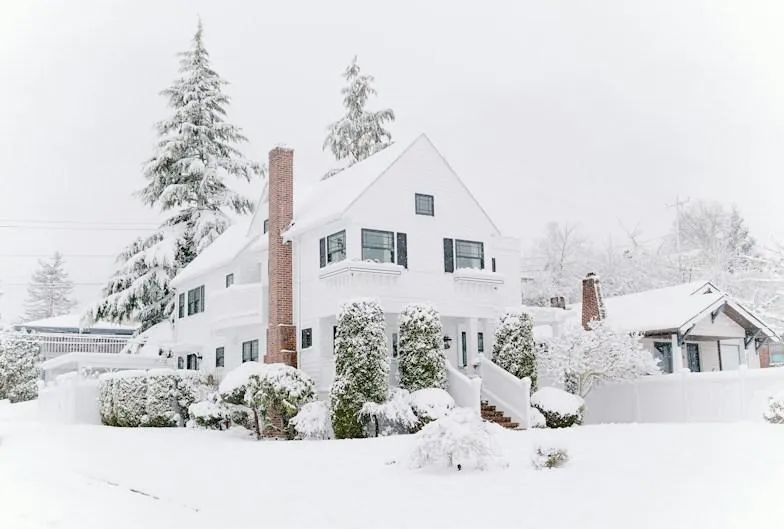
When it comes to carbon monoxide safety, your furnace deserves more attention than almost any other appliance in your home. Ottawa furnaces work hard from October to April, often running for hours on nights that drop below −25 °C. A gas furnace that is clean, well-vented and properly adjusted is safe. One that is neglected, damaged or blocked can release carbon monoxide (CO) into your living space without any warning you can see or smell.
This guide explains how furnaces produce CO, the warning signs to watch for, what to do in an emergency, and the simple habits that keep Ottawa families safe all winter.
What Is Carbon Monoxide and Why Does Your Furnace Matter?
Carbon monoxide is a colourless, odourless, tasteless gas created when fuel such as natural gas, propane, oil or wood burns without enough oxygen. Every gas furnace produces some combustion gases. In a healthy system, those gases travel through the heat exchanger and out of your home through the flue or vent pipe.
The problem starts when something interrupts that path. Because you cannot detect CO with your senses, the only reliable way to know it is present is with a working carbon monoxide alarm.
Common furnace-related sources of CO
- Cracked or corroded heat exchanger: Years of heat-up and cool-down cycles can cause metal fatigue. A crack can allow combustion gases to mix with the air that circulates through your ducts.
- Blocked vents and flues: Snow drifts, ice build-up, bird nests or debris can block high-efficiency PVC vents on the side of the house, which is a real risk during Ottawa storms.
- Poor combustion: Dirty burners, incorrect gas pressure or a lack of combustion air can lead to incomplete burning and higher CO production.
- Disconnected or damaged venting: Older homes in neighbourhoods like Alta Vista, Westboro and parts of Nepean may still have older chimney liners or vent connections that have shifted over time.
- Back-drafting: Powerful exhaust fans, fireplaces or tight new windows can sometimes pull exhaust gases back into the home instead of letting them escape.
Carbon Monoxide Safety Warning Signs Around Your Furnace
Your CO alarm is the most important warning system, but there are other clues that something may be wrong with your furnace or venting. Call a licensed technician if you notice any of the following:
- A yellow or flickering burner flame instead of a steady blue flame
- Soot or dark streaks around the furnace, vent pipe or registers
- Excess condensation on windows near the furnace or throughout the house
- A furnace that cycles on and off frequently or shuts down on safety lockouts
- A stale, stuffy feeling in the air even though the heat is running
- Rust or water stains on the vent pipe or around the furnace cabinet
Symptoms of CO exposure
Low-level CO exposure is often mistaken for the flu. Watch for headaches, dizziness, nausea, fatigue, shortness of breath and confusion, especially if several people in the home feel unwell at the same time, pets seem lethargic, or symptoms improve when you leave the house. These signs call for immediate action.
Get a Free Quote From Certified Ottawa Technicians
Upfront pricing • No hidden fees • Certified technicians
What to Do If Your CO Alarm Goes Off
Do not try to find the source yourself, and do not wait to see if the alarm stops. Follow these steps:
- Get everyone out of the home right away, including pets. Leave the door open behind you if it is safe to do so.
- Call 911 from outside the home. If you also smell gas (a rotten-egg odour), call the Enbridge Gas emergency line from outside as well.
- Do not go back inside until emergency responders tell you it is safe.
- Have your furnace and gas appliances inspected by a TSSA-licensed gas technician before using them again.
In Ontario, only a licensed gas fitter may repair or adjust gas appliances and venting. Homeowners should never attempt gas work, remove panels to inspect a heat exchanger, or reset a furnace that keeps tripping its safety controls. Once the home has been declared safe, call KAD Mechanical & HVAC at (613) 790-2675 to book a furnace repair visit with a TSSA-licensed technician.
CO Alarms: Placement, Testing and Replacement
Ontario requires working carbon monoxide alarms in homes that have a fuel-burning appliance, a fireplace or an attached garage. Alarms must be installed outside sleeping areas, and additional alarms are recommended on every level of the home.
Best practices for Ottawa homeowners
- Install alarms near bedrooms so the alarm can wake you at night.
- Add one in the basement near, but not right beside, the furnace and water heater.
- Test monthly using the test button.
- Replace batteries at least once a year, or choose a hardwired or sealed-battery model.
- Check the expiry date. CO sensors wear out. Follow the replacement date printed on the alarm.
- Consider combination smoke and CO alarms if you are short on ceiling space.
An alarm is a warning device, not a prevention tool. It tells you there is a problem; it does not fix it. That is where regular maintenance comes in.
How Furnace Maintenance Prevents Carbon Monoxide Problems
The most effective step for long-term carbon monoxide safety is a yearly furnace tune-up, ideally in early fall before the heating season begins. During a professional furnace and water heater maintenance visit, a certified technician typically will:
- Inspect the heat exchanger for cracks, corrosion and signs of overheating
- Check the venting system, including joints, slope and termination points outside
- Clean and inspect the burners and flame sensor
- Verify gas pressure and proper combustion
- Test safety controls such as the pressure switch, rollout switches and limit switch
- Check that the furnace is getting enough combustion air
- Replace or recommend a new filter
Your gas water heater shares many of the same risks, so it makes sense to have both appliances inspected at the same visit.
Simple habits between visits
- Keep outdoor intake and exhaust vents clear of snow and ice after every storm.
- Change your furnace filter regularly, more often if you have pets or ongoing renovations.
- Keep the area around the furnace clear of boxes, laundry and stored chemicals.
- Never use a gas stove, BBQ, generator or patio heater to heat your home or garage.
- Never run a car in an attached garage, even with the door open.
When Is It Time to Replace an Older Furnace?
Many Ottawa homes, especially in established areas like Alta Vista, Westboro and older sections of Orleans, still rely on furnaces that are 15 to 20 years old or more. Age alone does not make a furnace unsafe, but older units are more likely to develop cracked heat exchangers and worn safety components.
If a technician finds a cracked heat exchanger, the furnace should be shut down and not used. In many cases, replacement is the safer and more cost-effective option compared with repairing an aging system. A new high-efficiency furnace can also help reduce your Enbridge Gas bills. Learn more about furnace and water heater installation options, or book a furnace repair visit if your system is showing warning signs.
Costs vary with the size of your home, the equipment you choose and the condition of your venting, so the best next step is to request a free quote with upfront pricing and no hidden fees.
Protect Your Family This Heating Season
Carbon monoxide problems are preventable. Working CO alarms, clear vents and an annual inspection by a TSSA-licensed technician go a long way toward keeping your household safe through even the coldest Ottawa winter. KAD Mechanical & HVAC has served homeowners in Ottawa, Kanata, Nepean, Barrhaven and Orleans for more than 10 years, with certified gas technicians who explain what they find in plain language.
Talk to a Certified Technician Today
Call (613) 790-2675 or request your free quote online — we respond fast.
Frequently Asked Questions
Can a furnace leak carbon monoxide if it is running fine?
Yes. A furnace can heat normally while a cracked heat exchanger or a partly blocked vent allows CO to escape. That is why working CO alarms and an annual inspection by a licensed technician are so important.
Where should I install a carbon monoxide alarm in my Ottawa home?
Ontario requires CO alarms outside sleeping areas in homes with fuel-burning appliances, fireplaces or attached garages. Adding an alarm on every level, including the basement near the furnace, provides extra protection.
What should I do if my CO alarm goes off?
Get everyone, including pets, out of the home immediately and call 911 from outside. If you smell gas, also call the Enbridge Gas emergency line from outside. Do not go back in until responders say it is safe, and have a licensed technician inspect your appliances before using them.
How often should my furnace be inspected for carbon monoxide safety?
Once a year is recommended, ideally in early fall before heavy use begins. A TSSA-licensed technician will check the heat exchanger, venting, burners and safety controls during a maintenance visit.
Certified, TSSA-licensed heating, water heater and gas technicians serving Ottawa, Kanata, Nepean, Barrhaven and Orleans for 10+ years.