Key Takeaways
- Age, frequent repairs, rising gas bills and uneven comfort are the main signs it's time to replace.
- Late spring, summer and early fall are the easiest times to replace a furnace in Ottawa.
- Planned replacement gives you time to compare options instead of rushing after a breakdown.
- Safety problems like a cracked heat exchanger mean replacement shouldn't wait.
Knowing when to replace your furnace in Ottawa can save you from one of the worst homeowner experiences: a dead furnace on a −28 °C night with a house full of people and pipes at risk of freezing. Furnaces rarely fail without warning. The trick is recognizing the signs and acting on your own timeline, not the weather's.
This guide covers the signals that your furnace is near the end, the best time of year to replace it in Ottawa, and how to plan the upgrade with less stress.
Signs That Tell You When to Replace Your Furnace in Ottawa
No single sign means you must replace your furnace tomorrow. But when several of these show up together, it's time to start planning.
Your furnace is around 15 years old or more
Many gas furnaces last roughly 15 to 20 years with good maintenance. As they age, parts wear, efficiency drops and breakdowns become more likely. If yours is in that range, it's smart to start budgeting and gathering quotes, even if it's still running.
Repairs are becoming frequent
One repair on an older furnace is normal. A pattern of service calls every winter is a signal. When repair spending keeps adding up on an aging unit, that money is often better put toward a new, reliable system.
Your gas bills keep climbing
If your Enbridge Gas bills are rising and you can't explain it by rates or colder weather, your furnace may be losing efficiency. Older units also tend to use more electricity for the blower, which can show up on your Hydro Ottawa bill.
Uneven heating and comfort complaints
Cold rooms, hot spots, dry air and a furnace that runs constantly without keeping up are all signs the system is struggling.
Strange noises, smells or flame colour
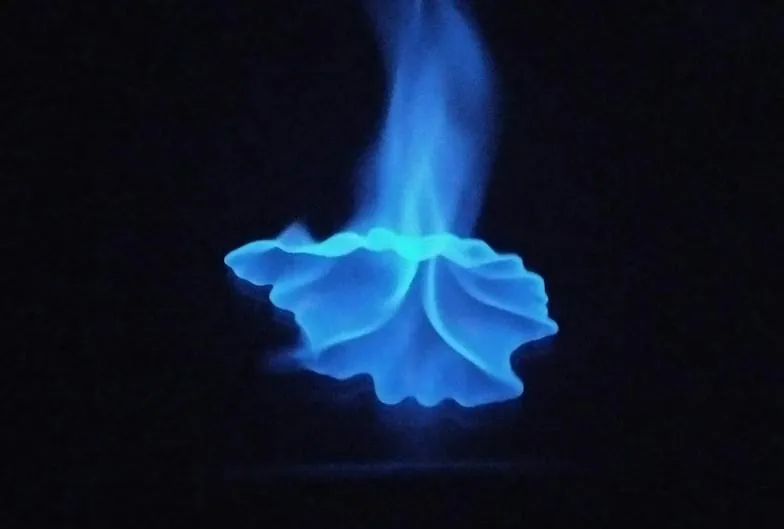
Banging, rattling, squealing or a yellow, flickering burner flame (instead of a steady blue) should be checked by a professional. Some of these are fixable, but on an older unit they can point to bigger issues.
Safety concerns
A cracked heat exchanger, signs of soot, rust around the burners, or carbon monoxide alarms are serious. If your CO alarm sounds or you smell gas, leave the home and call the Enbridge Gas emergency line or 911 from outside. A technician may shut down a furnace with a safety defect, and replacement shouldn't wait.
The Best Time to Replace a Furnace in Ottawa
If you have a choice, avoid replacing your furnace in the depths of winter. Here's how the seasons compare in Ottawa.
Late spring and summer
This is often the easiest time. You don't need heat, so there's no pressure to accept the first available option. Scheduling is more flexible, and if your installation involves extra work like new venting, a short shutdown doesn't affect your comfort. It's also a great time to pair a furnace upgrade with a new water heater or a BBQ gas line, since the work can share the same gas supply planning and visit.
Early fall
September and early October are a popular window. Homeowners notice their furnace struggling during the first chilly nights and want a reliable system before winter. It's still a good time, but schedules fill up as the temperature drops.
Winter
Furnaces get replaced in winter all the time, and it can be done safely and quickly. But a rushed replacement after a breakdown leaves less room to compare options. If your furnace is showing warning signs, don't wait for January to make the decision for you.
Get a Free Quote From Certified Ottawa Technicians
Upfront pricing • No hidden fees • Certified technicians
Why Planning Ahead Pays Off
A planned furnace replacement gives you:
- Time to compare options: efficiency levels, single-stage versus two-stage or modulating burners, and variable-speed blowers.
- A proper heat-loss assessment: so the new furnace is sized for your home today, not for what was installed decades ago.
- A chance to fix related issues: ductwork leaks, undersized returns, or venting upgrades for older homes.
- No breakdown stress: no space heaters, no frozen pipes, no scrambling.
This is especially valuable in older Ottawa neighbourhoods like Westboro, Alta Vista and parts of Nepean, where homes may have chimney venting, older gas piping or ductwork that's been modified over the years. Those details are easier to handle without a deadline.
What to Expect on Installation Day
Knowing what happens during a replacement makes the decision less daunting. A typical installation follows these steps:
- The technician shuts off gas and power to the old furnace and safely disconnects it.
- The old unit is removed and the area is prepared.
- The new furnace is set in place and connected to the ductwork, gas line, venting, condensate drain and electrical supply.
- Gas connections are leak-tested and the system is started, checked and adjusted.
- Your thermostat is connected and you are shown how the new system works.
Most straightforward replacements take about a day. Homes that need new venting or ductwork changes may take longer, which is another reason a warm-weather install is easier.
Repair or Replace? How to Decide
Here's a practical way to think about it:
- Lean toward repair if the furnace is relatively young, the repair is minor, and it's been reliable otherwise.
- Lean toward replacement if the furnace is older, the repair is major, repairs have been frequent, or there's a safety concern.
A trustworthy technician will lay out both options honestly. At KAD Mechanical & HVAC, if a repair makes sense, we'll tell you. Start with a furnace repair diagnosis if you're unsure.
How to Extend Your Furnace's Life Until You Replace It
If your furnace is aging but still working, a few steps can help it hold on until you're ready:
- Book an annual furnace maintenance visit in late summer or early fall.
- Change filters regularly, especially during the heating season.
- Keep supply and return vents clear.
- Clear snow away from outdoor intake and exhaust vents.
- Test your carbon monoxide alarms monthly.
When to Replace Your Furnace in Ottawa: A Simple Checklist
Consider booking a replacement quote if you check two or more of these:
- Furnace is around 15 years old or more
- More than one repair in the last couple of years
- Gas bills rising without explanation
- Uneven temperatures or constant running
- Unusual noises, smells or a yellow flame
- A technician has flagged a safety or major component issue
Talk to a Certified Technician Today
Call (613) 790-2675 or request your free quote online — we respond fast.
KAD Mechanical & HVAC has helped Ottawa, Kanata, Barrhaven, Orleans and Nepean homeowners for over 10 years. Our TSSA-licensed technicians offer upfront pricing with no hidden fees. Explore our furnace installation service or call (613) 790-2675 to book a free quote.
Frequently Asked Questions
What's the best month to replace a furnace in Ottawa?
Late spring through early fall is ideal. You're not depending on heat, scheduling is more flexible, and you have time to compare options. Early fall is popular, so book early.
Should I replace my furnace before it breaks?
If it's older and showing warning signs, yes. Planned replacement avoids breakdown stress, frozen pipes and rushed decisions during an Ottawa winter.
Can a furnace be replaced in the middle of winter?
Yes. Many replacements are completed in a day, even in winter. Planning ahead simply gives you more choice and less stress.
How do I know if my furnace is unsafe?
Warning signs include a cracked heat exchanger, soot, a yellow flickering flame, or a CO alarm. If your CO alarm sounds or you smell gas, leave the home and call Enbridge Gas or 911 from outside.
Certified, TSSA-licensed heating, water heater and gas technicians serving Ottawa, Kanata, Nepean, Barrhaven and Orleans for 10+ years.
Next article: High Efficiency Furnace in Ottawa: How It Works, What to Look For, and Is It Worth It?