Key Takeaways
- Many gas furnaces last roughly 15 to 20 years with proper care.
- Ottawa's long heating season puts more hours on a furnace than milder climates do.
- Poor sizing, dirty filters and skipped maintenance shorten furnace life.
- Annual tune-ups are the single best way to get the most years from your furnace.
If you're wondering how long do furnaces last, especially in a city where winter can run from November to April, you're asking the right question. Knowing your furnace's expected lifespan helps you budget, avoid unexpected breakdowns and decide whether a repair is worth it.
The short answer: many gas furnaces last roughly 15 to 20 years. The real answer depends on how your furnace was installed, how it's been maintained and how hard it works. In Ottawa, it works hard.
How Long Do Furnaces Last on Average?
Most modern gas furnaces are built to last around 15 to 20 years. Some well-maintained units run longer; others fail earlier because of poor installation or neglect. Electric furnaces often have a longer lifespan because they have fewer combustion-related parts, though they're less common in Ottawa homes connected to natural gas.
Individual components also have their own life expectancy. Igniters, flame sensors, capacitors and blower motors can wear out and be replaced long before the furnace itself reaches the end of its life. The heat exchanger is the key component: when it cracks or fails, replacement is usually the safe choice.
Why Ottawa Winters Matter for Furnace Lifespan
A furnace's life is really measured in run hours and start-stop cycles, not just calendar years. Ottawa's climate adds up those hours quickly:
- Long heating season: Furnaces here often run from early fall through late spring.
- Deep cold snaps: Nights below −25 °C mean long, continuous run times.
- Snow and ice: Blocked outdoor vents can cause shutdowns and repeated restart attempts that add wear.
- Year-round fan use: If you run the furnace fan continuously for air circulation, the blower motor logs hours even outside heating season.
That doesn't mean furnaces fail early here. It means maintenance and proper installation matter even more.
Get a Free Quote From Certified Ottawa Technicians
Upfront pricing • No hidden fees • Certified technicians
What Shortens a Furnace's Life
Incorrect sizing
An oversized furnace short-cycles, turning on and off frequently. Every start puts stress on the igniter, inducer, blower and heat exchanger. An undersized furnace runs nearly nonstop. Both shorten lifespan. Proper sizing starts with a heat-loss assessment at installation.
Dirty filters and restricted airflow
A clogged filter, closed vents or undersized return ducts make the furnace overheat. Repeated overheating stresses the heat exchanger, the part you least want to fail.
Skipped maintenance
Dust, a dirty flame sensor, a weak capacitor or a partially blocked condensate drain may not stop the furnace today, but they add wear over time. Small issues caught early are cheaper and protect the whole system.
Poor installation
Improper venting, incorrect gas pressure or poor duct connections affect both safety and longevity. In Ontario, gas furnace installation must be done by a TSSA-licensed gas technician, and quality varies. Choose an installer who sizes properly and commissions the system carefully.
Humidity and basement conditions
Damp basements, which are common in some older Ottawa homes, can lead to rust on furnace components. Keeping the furnace area dry and clear helps.
Warning Signs Your Furnace Is Near the End
- Your furnace is around 15 years old or more
- Repair calls are becoming more frequent
- Rising Enbridge Gas bills without a clear reason
- Rooms heat unevenly or the furnace runs constantly
- Loud banging, rattling or squealing
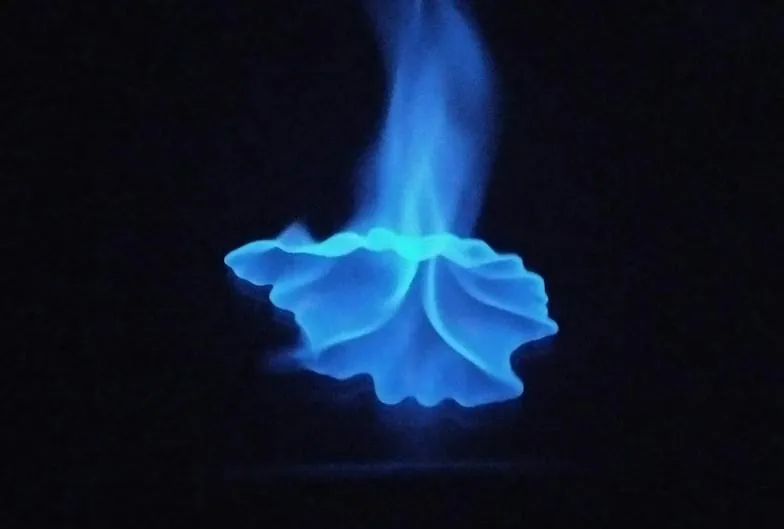
- A yellow, flickering burner flame instead of a steady blue one
- Soot, rust or moisture around the furnace
- Carbon monoxide alarm activity
If your CO alarm sounds or you smell gas, leave the home immediately and call the Enbridge Gas emergency line or 911 from outside. Don't try to inspect the furnace yourself.
How Long Do Furnaces Last With Proper Maintenance?
Regular care is the best way to reach the upper end of the typical range. Here's what helps most:
Annual professional tune-up
A yearly furnace maintenance visit, ideally in late summer or early fall, includes checking combustion and safety controls, cleaning the flame sensor and burners, inspecting the heat exchanger, testing electrical parts, verifying airflow and clearing the condensate drain.
Regular filter changes
Check your filter monthly during heating season. Replace it whenever it looks dirty, typically every one to three months depending on the filter type, pets and household dust.
Keep vents and returns clear
Don't block supply registers or return grilles with furniture, rugs or curtains. Restricted airflow is one of the easiest problems to avoid.
Clear outdoor vents after snowfall
For high-efficiency furnaces, make it a habit to check the PVC intake and exhaust pipes after every major snowstorm.
Fix small problems quickly
Unusual noises, short-cycling or a furnace that takes several tries to light are early warnings. A prompt furnace repair visit can prevent a minor issue from damaging other components.
Repair or Replace an Aging Furnace?
When a furnace near the end of its expected life needs a major repair, it often makes more sense to invest in a new, efficient system. If the furnace is younger and the repair is minor, repairing is usually the right call.
Planning a replacement in spring, summer or early fall gives you time to compare options without the pressure of a mid-winter breakdown. It's also a good moment to plan a water heater replacement alongside your new furnace if your tank is getting old too.
Planning Ahead for Replacement
Even a well-maintained furnace eventually reaches the end of its life. Once yours passes the 12 to 15 year mark, a little planning goes a long way:
- Set aside money gradually so a replacement doesn't come as a shock.
- Ask your technician to note the condition of the heat exchanger and major parts at each tune-up.
- Request a free quote before you need it, so you understand your options and any venting or ductwork changes your home may require.
- Think about future needs, such as a basement finish, an addition or new gas appliances, so the new system fits your plans.
This approach turns a stressful breakdown into an ordinary home project you schedule on your terms.
Not Sure How Old Your Furnace Is?
Check the rating plate inside the furnace door. The serial number often encodes the manufacture date, though the format varies by brand. A technician can confirm the age during a maintenance visit. Homeowners who bought older homes in Nepean, Orleans or Alta Vista are often surprised by how old their furnace turns out to be.
Talk to a Certified Technician Today
Call (613) 790-2675 or request your free quote online — we respond fast.
KAD Mechanical & HVAC has helped homeowners across Ottawa, Kanata, Barrhaven, Orleans and Nepean for more than 10 years. Our TSSA-licensed technicians offer honest assessments and upfront pricing with no hidden fees. Learn about our furnace installation service or call (613) 790-2675.
Frequently Asked Questions
How long do furnaces last in Ottawa?
Many gas furnaces last roughly 15 to 20 years. Ottawa's long heating season adds run hours, so regular maintenance and proper sizing play a big role in reaching the upper end of that range.
Should I replace a 20-year-old furnace that still works?
Not necessarily right away, but it's wise to start planning. Have it inspected, budget for replacement, and consider upgrading in warmer months before a winter breakdown forces the decision.
What part of a furnace usually fails first?
Wear parts like igniters, flame sensors, capacitors and blower motors commonly need replacement over the years. These are usually repairable. A cracked heat exchanger is more serious and often means replacement.
Does annual maintenance really extend furnace life?
Yes. Tune-ups catch small problems early, keep airflow and combustion in check, and reduce stress on major components like the heat exchanger and blower.
Certified, TSSA-licensed heating, water heater and gas technicians serving Ottawa, Kanata, Nepean, Barrhaven and Orleans for 10+ years.
Next article: Furnace Filter Guide for Ottawa Homes: Types, MERV Ratings and How Often to Change