Key Takeaways
- The most common sign is a rotten-egg or sulphur smell, added to natural gas so leaks can be detected.
- If you suspect a leak, leave immediately, avoid sparks, and call Enbridge Gas or 911 from outside.
- Carbon monoxide is different from a gas leak: it is odourless, so working CO alarms are essential.
- Annual maintenance by a TSSA-licensed technician helps prevent leaks and venting problems.
Natural gas heats most Ottawa homes safely through long, cold winters. But knowing the signs of a gas leak at home is one of the most important things every household member should learn. Leaks are uncommon when equipment is properly installed and maintained, yet when they do happen, quick action matters.
This guide covers the warning signs, the exact steps to take, how gas leaks differ from carbon monoxide, and how to reduce your risk. Please share it with everyone in your home, including older kids and anyone who house-sits for you.
The Most Common Signs of a Gas Leak at Home
Natural gas is naturally odourless, so utilities add a chemical called mercaptan to give it a distinctive smell. Watch for these warning signs:
1. A rotten-egg or sulphur smell
This is the most recognizable sign. The smell may be faint near an appliance or strong throughout a room. Never ignore it, even if it seems to come and go.
2. Hissing or whistling sounds
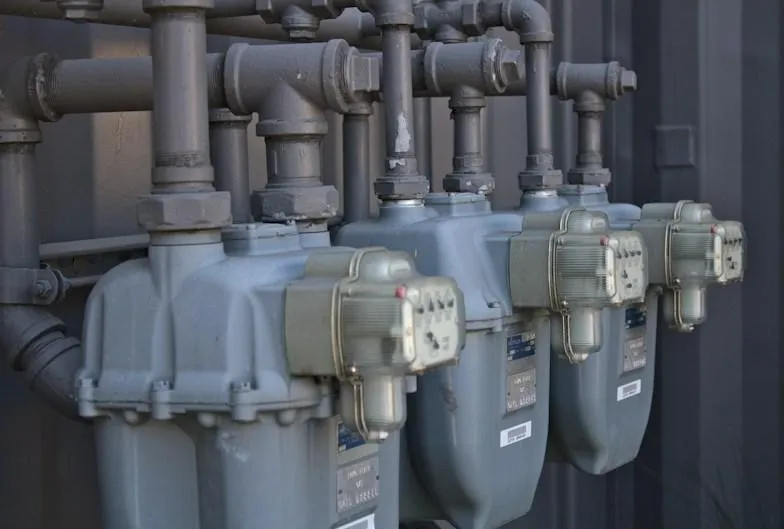
A hissing sound near a gas line, meter, appliance connection or valve can indicate gas escaping under pressure.
3. Dead or dying vegetation
Outdoors, a patch of dead grass or plants along the path of a buried gas line, with no other explanation, can point to an underground leak. Persistent bubbling in puddles or wet ground above a line is another clue.
4. Unusual appliance behaviour
Burner flames that are yellow or orange instead of mostly blue, soot around an appliance, or a pilot light that keeps going out can indicate combustion or supply problems that need a professional look.
5. Physical symptoms
Exposure to gas or combustion by-products can cause headaches, dizziness, nausea, fatigue or difficulty breathing. If symptoms improve when you leave the house and return when you come back, treat it as a warning sign.
6. An unexplained rise in your gas usage
A higher-than-usual Enbridge Gas bill is not proof of a leak, since cold snaps below −25 °C naturally raise usage. But an unexplained jump, especially in mild weather, is worth having checked.
What to Do If You Notice the Signs of a Gas Leak at Home
If you smell gas or suspect a leak, follow these steps right away:
- Leave immediately. Get everyone, including pets, out of the house. Do not stop to search for the source.
- Do not create sparks. Do not switch lights or appliances on or off, use phones inside, ring doorbells, light matches, or start a vehicle in an attached garage.
- Leave the door open behind you if it is safe and quick to do so.
- Call from a safe distance. Once you are well away from the home, call the Enbridge Gas emergency line or 911.
- Do not go back inside until emergency responders or the gas utility tell you it is safe.
Never try to locate or fix a gas leak yourself. In Ontario, gas repairs must be done by a TSSA-licensed gas technician. Once the utility has made the area safe, a licensed professional can find and repair the cause.
Get a Free Quote From Certified Ottawa Technicians
Upfront pricing • No hidden fees • Certified technicians
Gas Leak vs Carbon Monoxide: Know the Difference
These two hazards are often confused, but they are different:
| Natural gas leak | Carbon monoxide (CO) | |
|---|---|---|
| Smell | Rotten-egg odour (added) | No smell, colour or taste |
| Source | Leaking pipes, fittings, valves or appliances | Incomplete combustion, blocked or faulty venting |
| Detection | Your nose, sounds, signs outdoors | CO alarms |
| What to do | Leave, then call Enbridge Gas or 911 from outside | Leave, then call 911 from outside |
Because carbon monoxide cannot be smelled, working CO alarms are essential. Install them outside sleeping areas and on every level of your home, following the manufacturer's directions and Ontario requirements, and test them regularly.
Where Gas Leaks Tend to Happen
Leaks most often occur at connection points and aging components:
- Flexible connectors behind stoves and dryers, especially older or kinked ones
- Fittings and valves on the furnace and water heater
- Joints in older gas piping, common in established neighbourhoods like Westboro, Alta Vista and parts of Nepean
- Outdoor lines for BBQs, pool heaters and fire tables
- Gas lines disturbed during renovations or digging
Before any digging project, such as a fence, deck or garden, request a utility locate so buried lines can be marked.
How to Prevent Gas Leaks
Most gas problems can be prevented with good installation and regular care:
- Book annual maintenance. A licensed technician can inspect connections, burners and venting during routine furnace and water heater maintenance.
- Use licensed professionals for all gas work. New lines for stoves, BBQs and pool heaters, and every appliance hook-up, should be done by a TSSA-licensed gas fitter.
- Replace aging equipment. If your furnace or water heater is near the end of its life, plan a replacement before it fails in January.
- Keep vents clear. After Ottawa snowstorms, clear snow and ice from exterior intake and exhaust vents for high-efficiency furnaces and water heaters.
- Do not store chemicals near gas appliances. Keep paints, solvents and gasoline away from furnaces and water heaters.
After a Gas Leak: Getting Your System Back Online
Once Enbridge Gas or emergency responders have made your home safe, your gas supply may be shut off at the meter or appliance. A licensed technician will need to find and repair the source, test the system, and safely relight your appliances. In winter, that can be urgent; frozen pipes become a concern quickly when Ottawa temperatures plunge.
KAD Mechanical & HVAC provides furnace repair across Ottawa, Kanata, Nepean, Barrhaven and Orleans. Once it is safe to do so, call (613) 790-2675 and our certified technicians can get your heat back on.
Quick Checklist for Your Household
- Everyone knows the rotten-egg smell means leave now.
- Everyone knows not to touch switches or use phones inside if gas is suspected.
- The Enbridge Gas emergency number is saved in your phone.
- CO alarms are installed, tested and have fresh batteries.
- Your furnace and water heater have been serviced in the past year.
Talk to a Certified Technician Today
Call (613) 790-2675 or request your free quote online — we respond fast.
Want peace of mind this heating season? Contact us or call (613) 790-2675 to book a maintenance visit or safety check with a TSSA-licensed technician.
Frequently Asked Questions
What does a gas leak smell like?
Natural gas has a rotten-egg or sulphur smell because an odorant is added to it. If you smell it, leave the home and call the Enbridge Gas emergency line or 911 from outside.
Should I open windows if I smell gas?
Your priority is getting everyone out quickly. Do not spend time opening windows or searching for the source. Leave, then call for help from a safe distance.
Can a carbon monoxide alarm detect a gas leak?
No. CO alarms detect carbon monoxide, not natural gas. Separate natural gas detectors exist, but your nose and the added odorant remain the main warning, along with working CO alarms for combustion problems.
Who repairs a gas leak in Ottawa?
After Enbridge Gas or emergency responders make the area safe, a TSSA-licensed gas technician should find and repair the leak. Homeowners should never attempt gas repairs.
Certified, TSSA-licensed heating, water heater and gas technicians serving Ottawa, Kanata, Nepean, Barrhaven and Orleans for 10+ years.
Next article: How to Lower Heating Bills in Ottawa: Practical Tips for Long, Cold Winters