Key Takeaways
- Check the thermostat, breaker, furnace switch, filter and outdoor vents before calling.
- A gas smell or CO alarm is a life-safety emergency: leave and call Enbridge Gas or 911 from outside.
- Protect your pipes and family while you wait with safe, approved heating methods only.
- Annual maintenance is the best way to avoid a mid-winter breakdown.
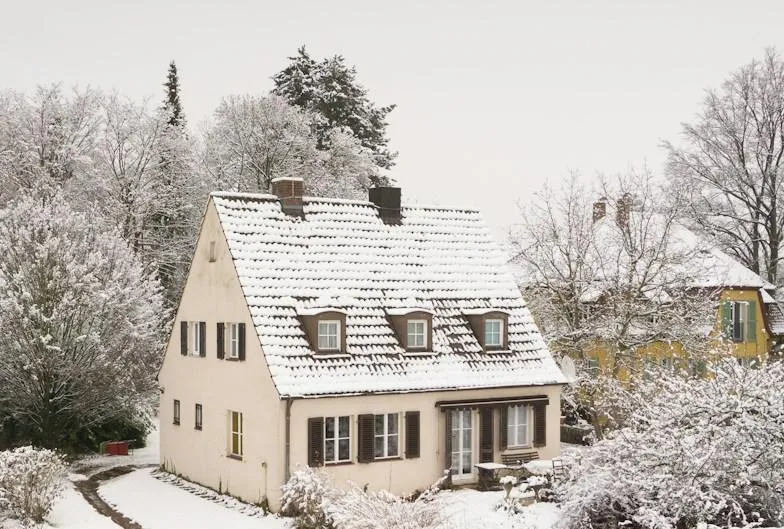
A furnace that quits in the middle of an Ottawa winter is not just an inconvenience. When overnight temperatures fall below −25 °C, a home can cool down quickly, putting pipes, pets and vulnerable family members at risk. If your furnace stopped working in Ottawa, knowing what to check, when to call a professional and how to stay safe while you wait can save you stress, money and serious damage.
This guide covers the quick checks you can safely do yourself, the situations that require immediate professional help, and how to keep your household safe until a technician arrives.
Signs Your Furnace Needs a Professional Repair
Not every furnace issue is serious, but some situations should not be left for later. Book a repair visit if:
- You have no heat during cold weather, and the indoor temperature is dropping steadily.
- The furnace runs but blows cold air for an extended period.
- The furnace keeps shutting off or goes into lockout after repeated attempts to start.
- You hear loud banging, grinding or screeching that started suddenly.
- You notice a burning or electrical smell that does not fade after the first few minutes of the season.
- Someone in the home is elderly, very young or medically vulnerable and cannot tolerate the cold.
Life-safety emergencies come first
If you smell natural gas (a rotten-egg odour) or your carbon monoxide alarm sounds, this is not a furnace repair call. Get everyone out of the home immediately. Do not flip light switches, use your phone indoors or try to locate the source. Once outside, call the Enbridge Gas emergency line or 911. Only go back inside once emergency responders confirm it is safe. After that, a TSSA-licensed technician can inspect and repair your equipment.
Quick Checks Before You Call
Many no-heat calls turn out to have a simple cause. Before booking a furnace repair, take a few minutes to check the following. None of these steps involve opening the furnace or touching gas components.
- Thermostat: Make sure it is set to Heat, the set temperature is above the room temperature, and the batteries are not dead. A blank screen is a common culprit.
- Furnace power switch: Most furnaces have a light-switch-style power switch on or near the unit. It is easy to bump it off by accident.
- Electrical panel: Check whether the furnace breaker has tripped. Reset it once. If it trips again, leave it off and call a professional.
- Furnace filter: A severely clogged filter can cause the furnace to overheat and shut down on its safety limit. Replace it if it is dirty.
- Outdoor vents: High-efficiency furnaces vent through PVC pipes on the side of the house. After a heavy snowfall or freezing rain, these can become blocked by snow or ice. Carefully clear any snow around them.
- Furnace door: Many furnaces will not run if the blower door is not fully closed, because a safety switch keeps it off.
If your furnace still will not run after these checks, or if it starts and then shuts down again, it is time to call a professional. Do not repeatedly reset the furnace or try to bypass safety switches.
Get a Free Quote From Certified Ottawa Technicians
Upfront pricing • No hidden fees • Certified technicians
How to Stay Warm Safely While You Wait
While you wait for a technician, focus on keeping people and pipes safe:
- Close interior doors to keep heat in the rooms you are using, and gather the family in one room.
- Use curtains and blankets to reduce heat loss through windows.
- Use approved electric space heaters only, plugged directly into a wall outlet, with clear space around them. Never leave them unattended.
- Never use a gas stove, oven, BBQ, camp heater or generator indoors for heat. These can produce deadly carbon monoxide.
- Protect your plumbing by opening cabinet doors under sinks on exterior walls and letting a faucet drip slightly if the home is getting very cold.
- Check on pets, especially in basements and colder rooms.
Common Causes of Winter Furnace Breakdowns
After years of working on furnaces across Ottawa, Kanata, Nepean, Barrhaven and Orleans, certain problems come up again and again during cold snaps:
- Failed igniter or dirty flame sensor: The furnace tries to start but the burners will not stay lit.
- Blower motor or capacitor failure: The burners may light but warm air never reaches the vents, and the furnace shuts down on high temperature.
- Pressure switch or inducer motor issues: Often related to blocked vents or condensate drain problems.
- Frozen or clogged condensate lines: Common in high-efficiency furnaces during extreme cold.
- Control board failure: Electrical surges or age can cause the furnace's main board to stop working.
- Cracked heat exchanger: A serious safety issue that requires the furnace to be shut down.
Older homes in established areas like Westboro and Alta Vista often have older furnaces running harder in deep cold, which makes these failures more likely when temperatures plunge.
What to Expect From a Furnace Repair Visit
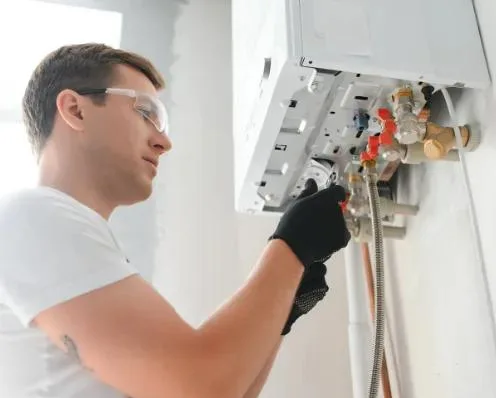
When you call KAD Mechanical & HVAC at (613) 790-2675 to book a furnace repair, a certified, TSSA-licensed gas technician will:
- Ask a few questions over the phone to understand the symptoms and safety concerns.
- Arrive with commonly needed parts whenever possible.
- Perform a full diagnosis, including safety checks on venting and combustion.
- Explain what is wrong in plain language and give you upfront pricing before any work begins.
- Complete the repair or, if the furnace is unsafe, shut it down and walk you through your options.
Repair costs vary with the problem, the parts needed, and the age of your furnace. You will always know the price before work starts, with no hidden fees.
Repair or Replace After a Winter Breakdown?
Most no-heat calls end with a straightforward furnace repair. But if your furnace is near the end of its life, has had multiple breakdowns, or has a cracked heat exchanger, replacing it may be the smarter long-term choice. A new, properly sized high-efficiency furnace can be more reliable and may help reduce Enbridge Gas bills. Explore furnace and water heater installation options, or request a free quote to compare.
How to Avoid the Next Breakdown
Most mid-winter breakdowns give early warning signs: unusual noises, short cycling, uneven heating or rising gas bills. The best protection is an annual tune-up in early fall. During furnace maintenance, a technician cleans and tests key components, checks safety controls and catches worn parts before they fail on the coldest night of the year.
Also make a habit of clearing outdoor vents after storms, replacing filters regularly and testing your CO alarms monthly.
Talk to a Certified Technician Today
Call (613) 790-2675 or request your free quote online — we respond fast.
Frequently Asked Questions
How quickly can I book a furnace repair in Ottawa?
Call KAD Mechanical & HVAC at (613) 790-2675 or request a free quote online. A certified, TSSA-licensed technician will contact you to schedule a visit anywhere in Ottawa, Kanata, Nepean, Barrhaven, Orleans and surrounding areas.
What should I do if I smell gas near my furnace?
Leave the home immediately with everyone inside. Do not use switches or phones indoors. Call the Enbridge Gas emergency line or 911 from outside, and do not return until responders say it is safe.
Why does my furnace keep shutting off in very cold weather?
Common causes include a dirty filter, a blocked outdoor vent, a frozen condensate line, or a failing flame sensor or pressure switch. If simple checks do not solve it, call a licensed technician rather than repeatedly resetting the furnace.
How can I keep my pipes from freezing if my furnace stops working?
Keep interior doors closed, open cabinet doors under sinks on exterior walls, let a faucet drip slightly, and use approved electric space heaters safely. Never use gas stoves, BBQs or generators indoors for heat.
Certified, TSSA-licensed heating, water heater and gas technicians serving Ottawa, Kanata, Nepean, Barrhaven and Orleans for 10+ years.
Next article: Water Heater Leaking? What to Do Right Now (and When to Call an Ottawa Pro)